Physical Therapy Exercises For Urinary Incontinence
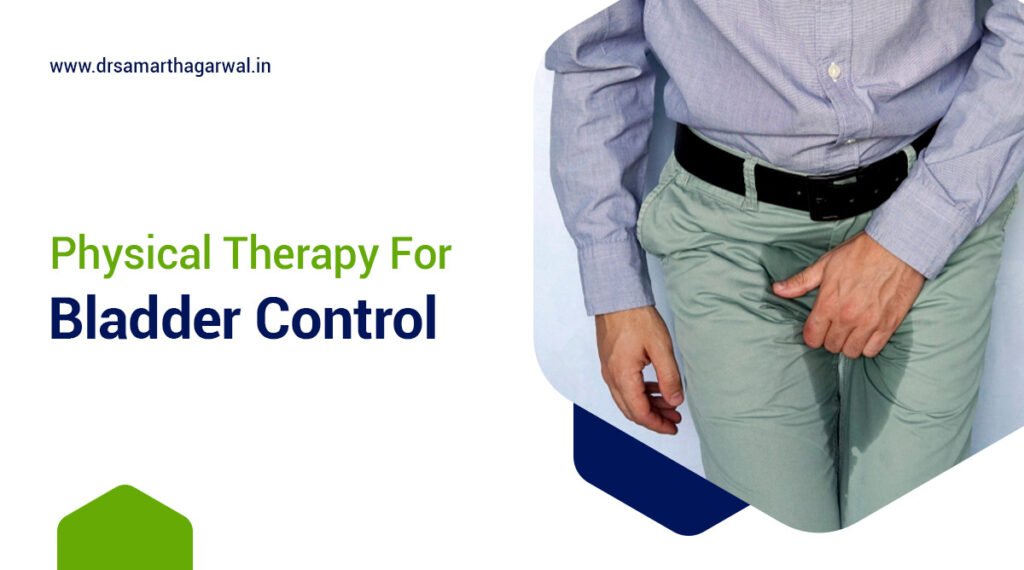

Physical Treatment Exercises For Urinary System Incontinence Urinary incontinence can mean you leakage a percentage of pee or launch a lot of urine at one time. Repeating this exercise a number of times a day can assist enhance muscle mass strength and bladder control. You can do Kegels anytime, whether you're sitting at your desk or relaxing at home. Have a look at this how-to guide for even more in-depth details on just how to perform Kegels. These muscular tissues support your bladder, womb and bowels, and maintaining them solid assists keep bladder leakages at bay. Evaluation of the pelvic flooring muscle mass in men and women can additionally be performed by assessing anal sphincter contraction and tone. To examine the strength of the sphincter muscular tissue, the client is asked to tighten up the anus. The inspector should really feel a griping or drawing in around the finger area.
What Actions Can I Take In The House To Treat Urinary Incontinence?
To perform Kegels, contract your pelvic flooring muscles (as if you were trying to stop the flow of urine) for a few seconds, after that unwind. " A great deal of individuals hold their breath while exercising, however that puts boosted stress on pelvic floor muscular tissues and compromises them," Walsh claims. " A handy cue is exhaling with exertion. Take a breath out at the hardest part of the workout, which will give you a lot more intense tightenings of the stomach and pelvic flooring muscle mass." PFME is an exercise that entails the understanding of pelvic flooring muscular tissue activation and the quest of a repeated PFME program over time. Since efficiency depends on the individuals' adherence during the treatment and after that in the maintenance stage, a much better understanding of adherence devices and exactly how they can be advertised is of major significance. This existing review paper provides a review of scientific application of PFME as a behavioral therapy for urinary incontinence. Furthermore, this article presents current evidence on PFME in the professional and research study settings. If you are unpleasant or unpredictable regarding doing Kegel workouts by yourself, a doctor or registered nurse can also show you just how to do Kegels.Will my weak bladder ever disappear?
Urinary system incontinence practically never disappears by itself. Yet there are steps you can take to aid ease your symptoms. "" Alleviating urinary system incontinence begins with understanding which kind of urinary incontinence you''re experiencing and what''s triggering it,"" claims Dr. Lindo.
- Furthermore, they substitute a straining-down Valsalva maneuver, which intimidates to aggravate the conditions (Sampselle and DeLancey, 1992).
- The stress might originate from laughing, coughing, training, running, leaping, or various other movements.
- Bladder training calls for adhering to a. repaired invalidating schedule, whether you really feel need to urinate.
- Individuals who are obese are most likely to have bladder leaks.