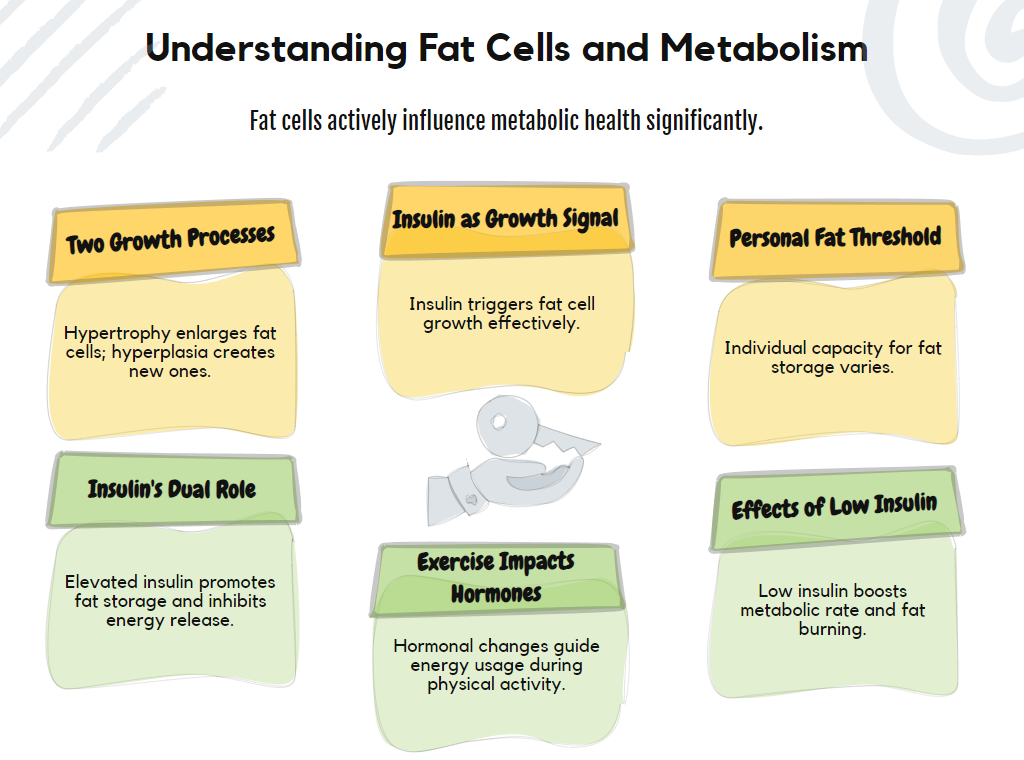
How Does Fat Get Developed In The Body Cpr And First Aid Training Schoolcpr And Emergency Treatment Training Camp
Do Fat Cells Expand And Break With Rapid Weight Gain? Throughout the fasting state, fatty acids are oxidized in the liver to acetyl CoA, which converts to the ketone bodies acetoacetate and beta-hydroxybutyrate. These high levels of ketones also prevent PDH activity and fat oxidation, to save sugar and permit entrance right into the brain where they can function as resources for power. Generally during a fast, muscular tissue metabolizes ketone bodies as swiftly as the liver releases them avoiding their build-up in the blood. The liver manufactures VLDLs in the liver and transport TAGs from the liver to cells similarly. HDLs have numerous functions about lipid metabolism, including offering an integral role in the conversions of VLDL to LDL. HDL also works as a reservoir for essential apoproteins Go to this site such as Apo C-II.
- These fats, called totally free fatty acids, can after that be used by muscular tissue cells for energy, or be exchanged fat stores in fat.
- During each oxidation reaction associated with food failure, the product of the reaction has a reduced energy material than the donor molecule that preceded it in the pathway.
- When white adipose cells broaden in a healthy, versatile means, they shield the body.
What Is The Function Of Fat?
What are the most significant fat loss blunders?
- Bear in mind: your decrease in weight doesn't constantly show fat loss.Mistake 2: overestimating calories burned.Mistake 3: not getting sufficient protein.Mistake 4: relying upon cardio.Mistake 5:
- skipping sleep and recovery.Mistake 8: not tracking your intake.Ready to take action? Making use of a digital pedometer to track your actions. & #x 201c; After concerning 30 to 60 minutes
- of aerobic exercise, your body begins shedding generally fat, & #x 201d; Dr. Rifai discusses.( If you're working out reasonably, this takes
about an hour. )If all that workout feels out of grab you, start sluggish and build your way up.